
Article: Does a harness really need to be placed as far away from the armpits as possible?
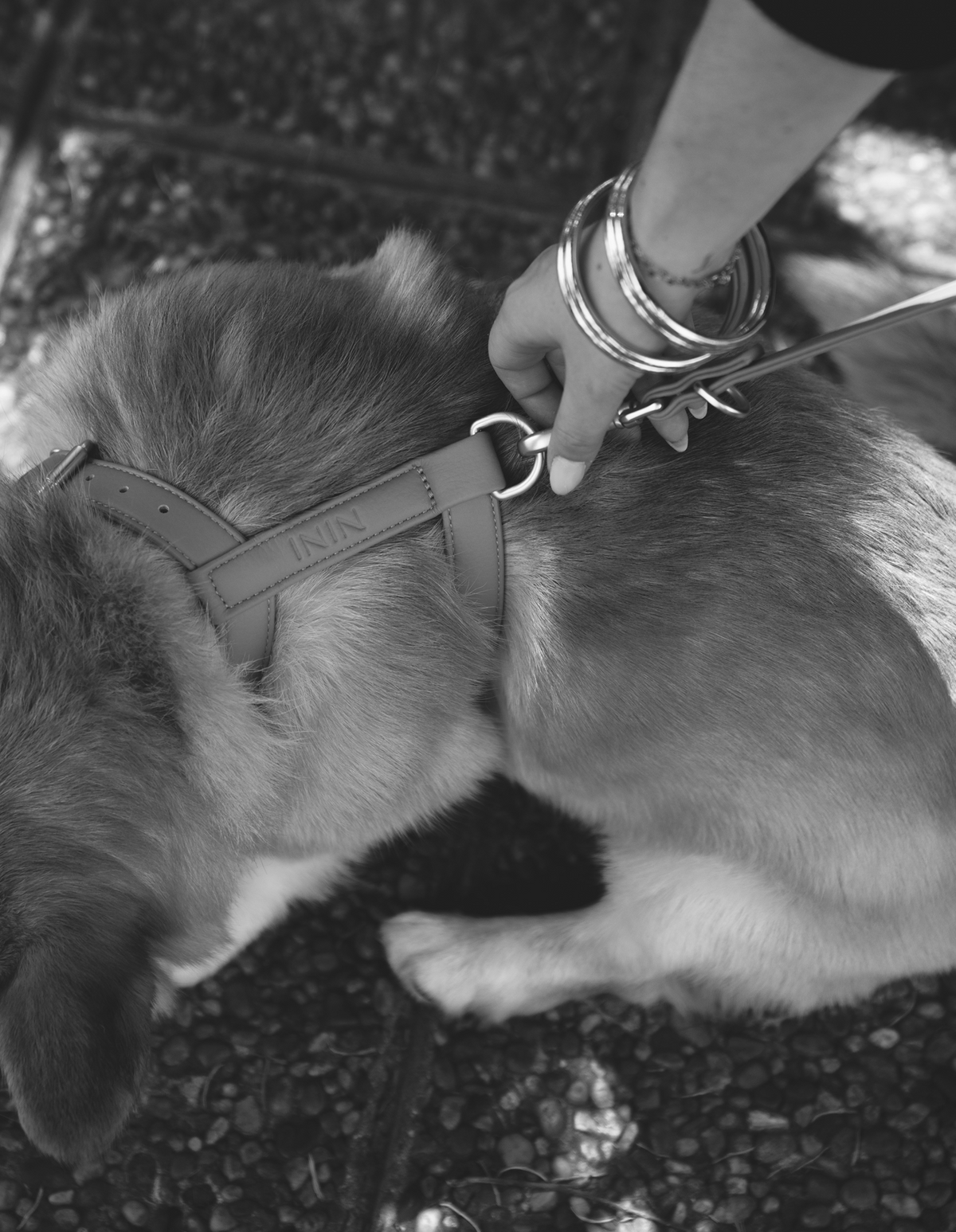
Should a harness really be placed as far away from the armpits as possible?
On social media, a growing idea is gaining traction: the further back a harness sits behind the front legs, the better positioned it is.
In reality, the question requires a more nuanced approach.
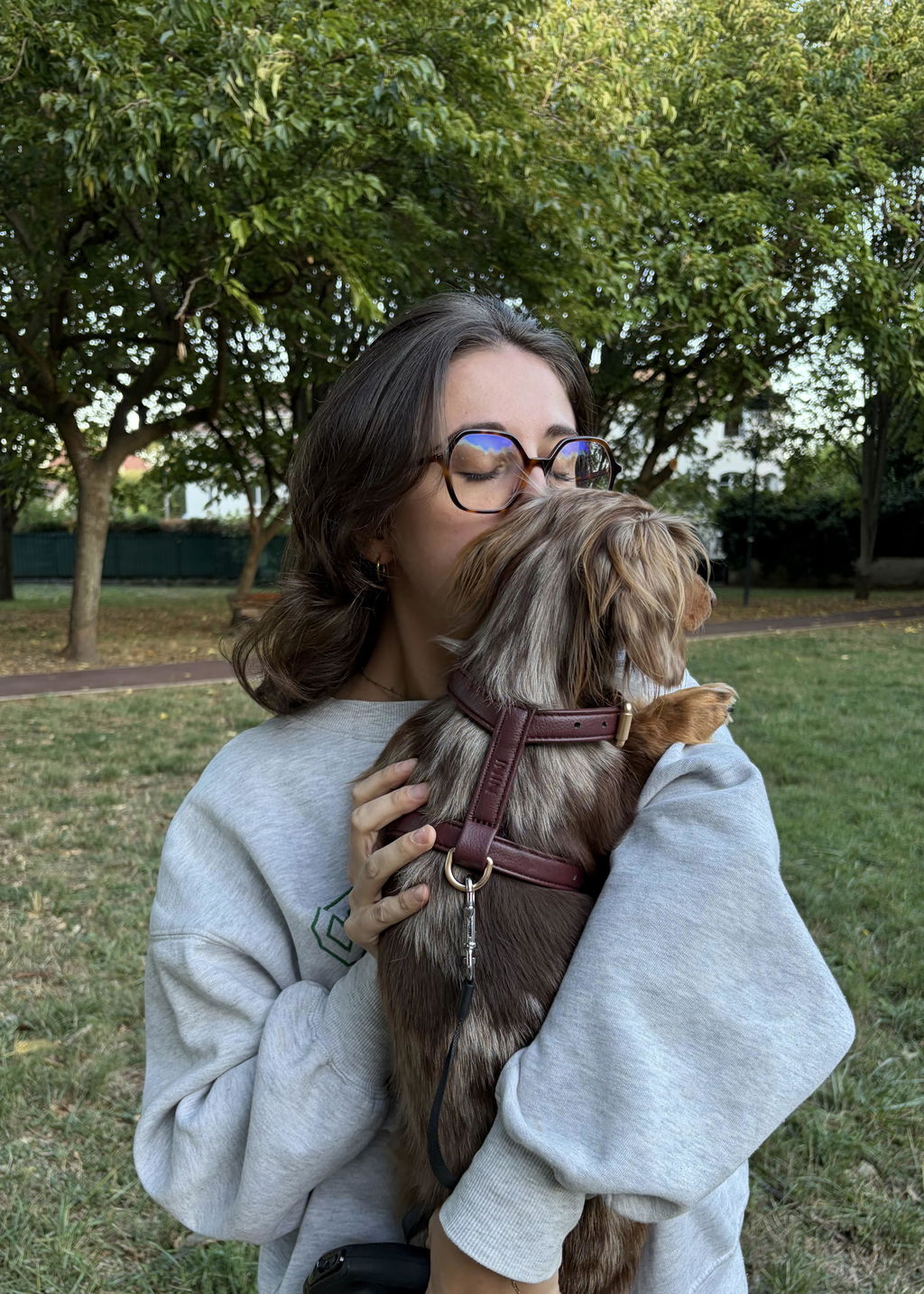
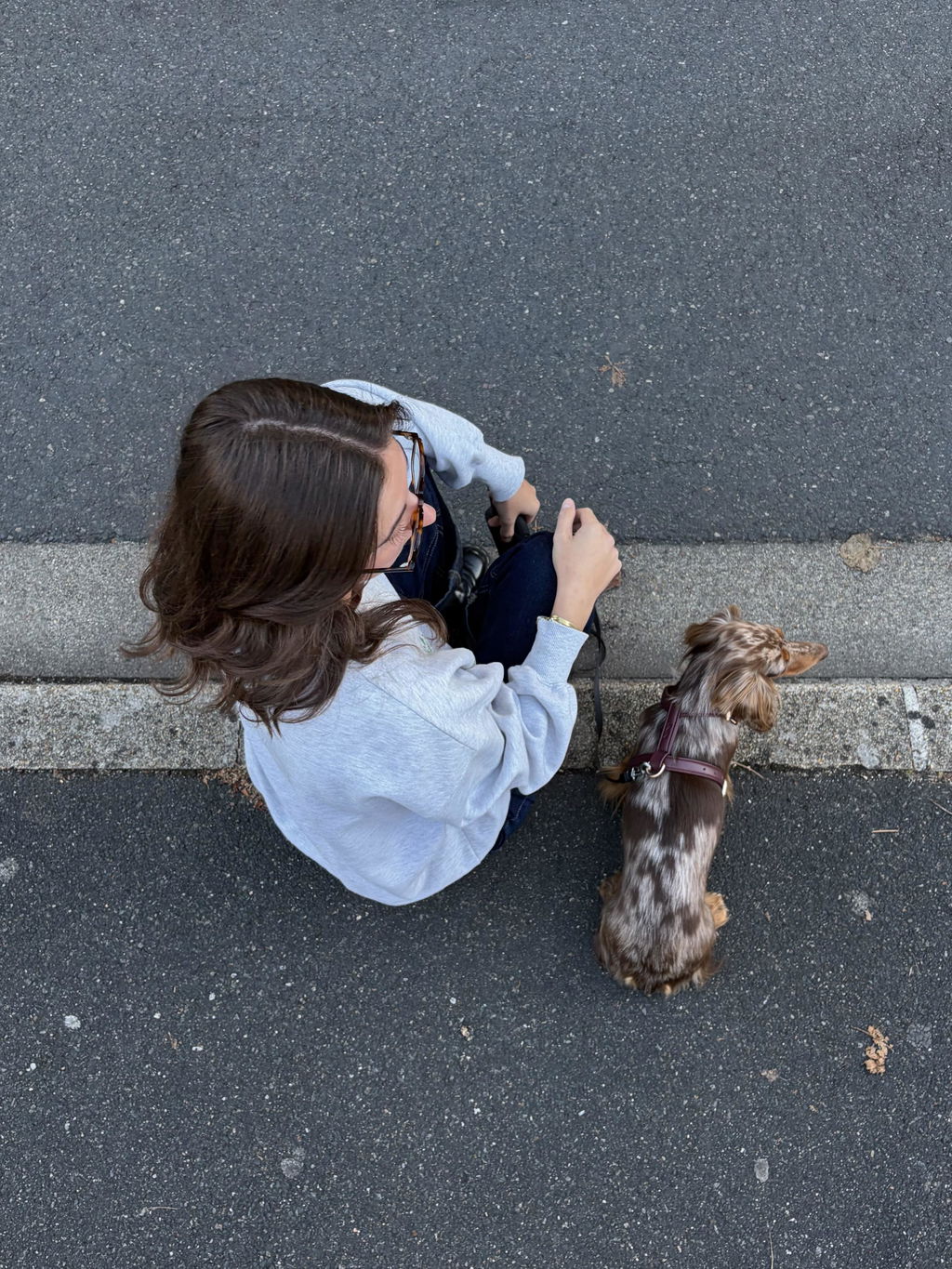
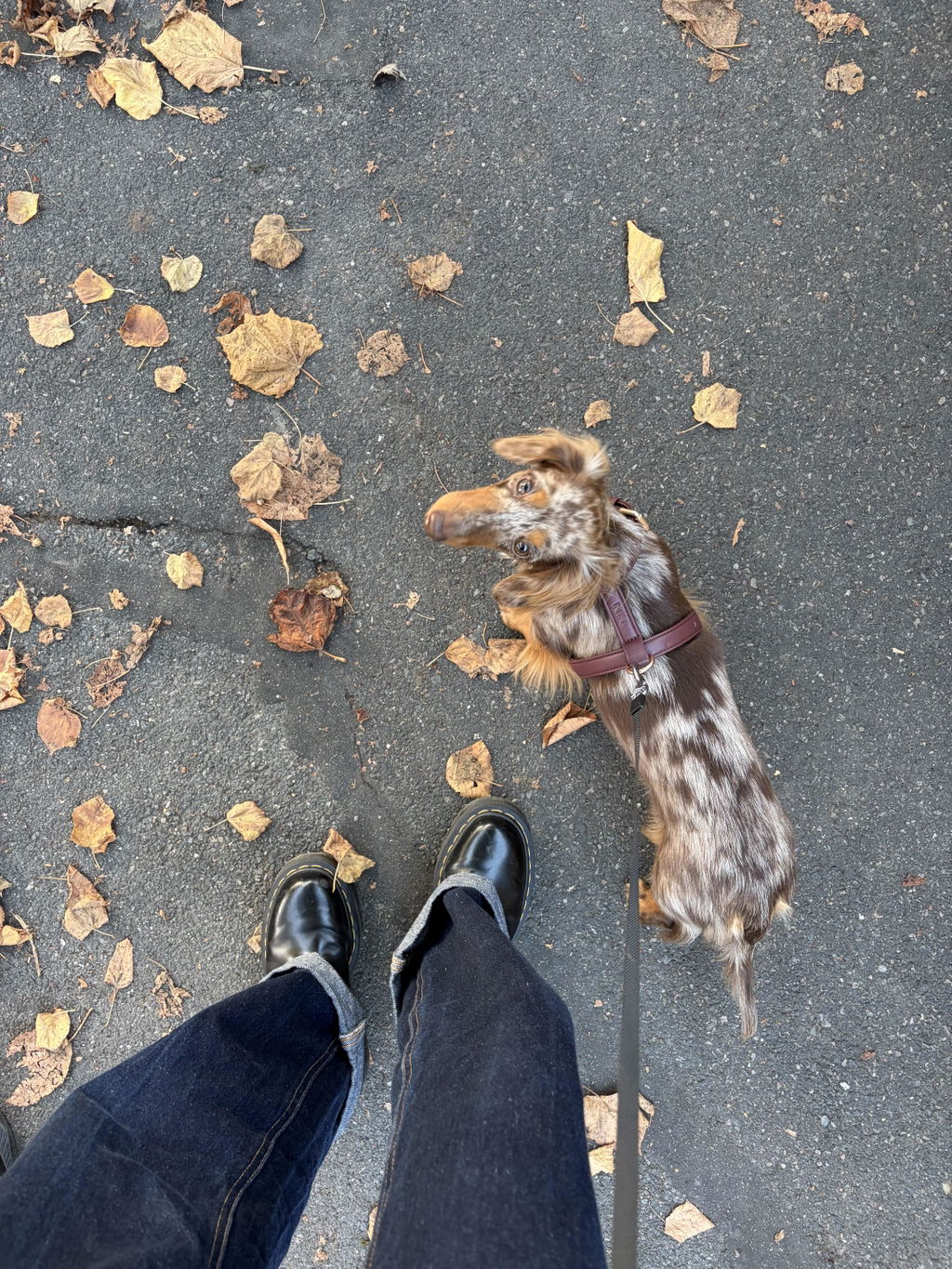
Yes, a harness must leave enough space behind the armpit to allow for the free movement of the front leg and minimize friction. As a general rule, a clearance of about two to three fingers is a good benchmark, though this should naturally be adapted to the dog's build.
However, continually pushing the harness further back is not necessarily desirable.
When placed too far back, the chest strap shifts toward a wider part of the ribcage. Yet this area is not static; it expands with every inhalation. A harness that sits too far back, especially if it is snug, can exert pressure on an area that needs to expand naturally.
The goal is therefore neither to place the harness in contact with the armpit, nor to move it as far away as possible.
The goal is to find its proper place.
This is a principle that has long been found in the equestrian world. A saddle is not positioned arbitrarily in the middle of a horse's back, and its girth is not set back into the middle of the abdomen under the guise of keeping it away from the elbow. Its placement responds to the anatomy, movement, and morphology of the animal.
For the dog, the logic is similar: we are not looking for a maximum distance, but an anatomically coherent positioning.
At NINI, it is precisely this reflection that guides our design: preserving freedom of movement, respecting the rib cage, and seeking a balance between support, comfort, and mobility.
Because a well-thought-out harness shouldn't just look good when standing still.
It must fit properly when the dog moves.